By Chris Brittain, Dean of Divinity and
Margaret E. Fleck Chair in Anglican Studies
June 2026

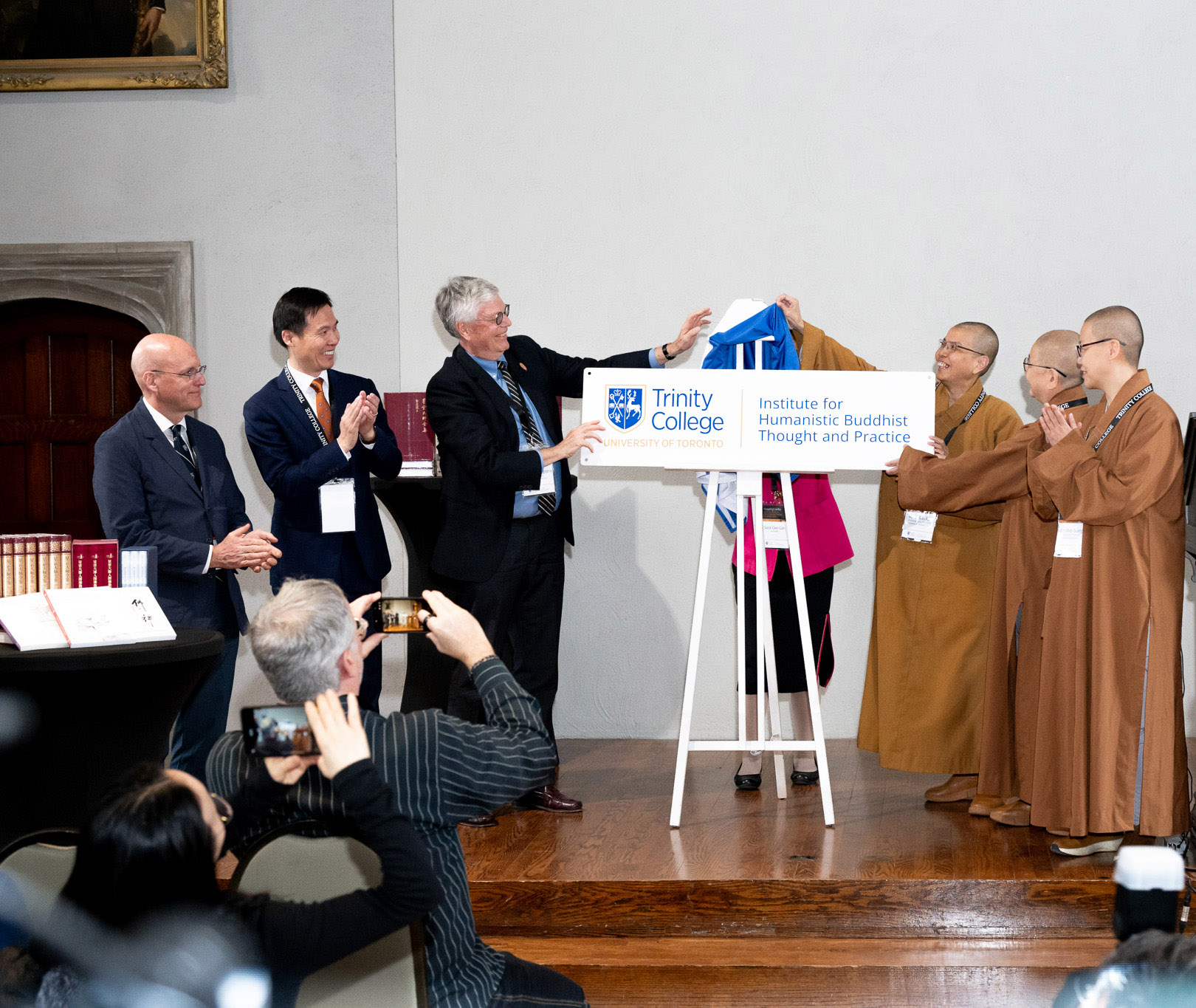
In the summer of 2025, Trinity College signed an agreement with the Fo Guang Shan Temple of Toronto that provides $3,250,000 in funding ($650,000/year for five years) in support of the introduction of courses in Buddhism at Trinity, as well as scholarly research and public lectures. These activities are organized under the umbrella of an Institute that will be housed within the Faculty of Divinity.
The Institute advances education, research, and public understanding of Humanistic Buddhism — a modern Buddhist movement that emphasizes ethical living, social responsibility, and the integration of spiritual practice with everyday life. It promotes scholarship and public engagement that connect Buddhist thought with other faith traditions, with a particular focus on inter-religious dialogue.
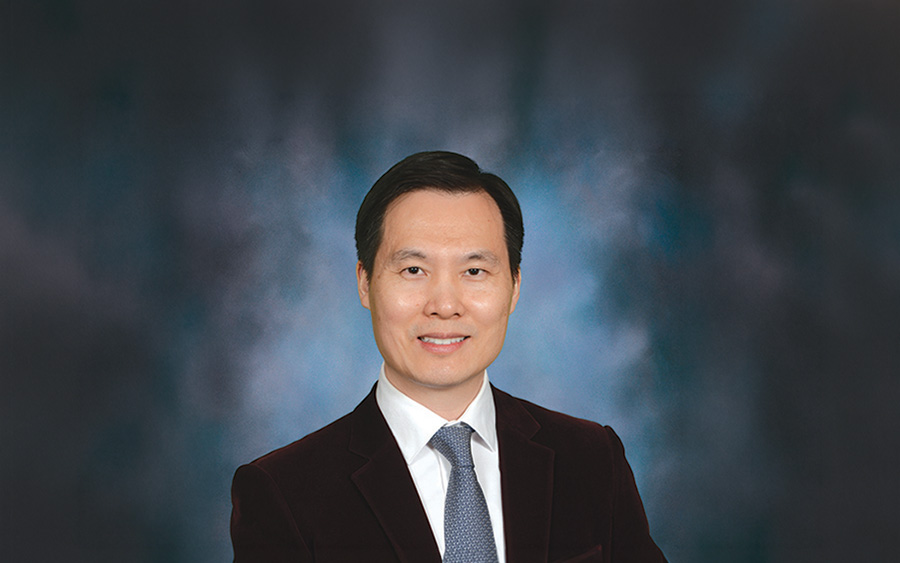
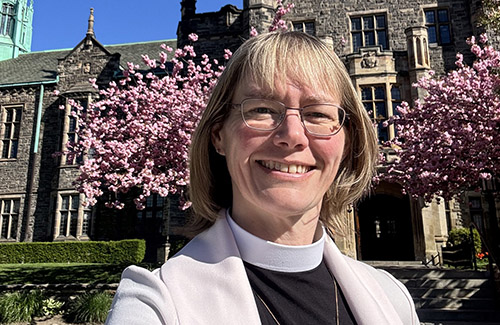
In the first year of its existence, the Institute has been led by an Acting Director, Dr. Jizhang Yi (a PhD graduate of Trinity College). Gabriela Pinho supports the Director by administering the Institute’s activities. In 2025-26, these have included five public lectures at the College, the delivery of three new academic courses (with three more now approved to be delivered in 2026-27), and the hosting of an international conference on the theme, “Navigating Conflict: Humanistic Buddhism and Comparative Theology in a Divided World.” This event included leading scholars in comparative theology, such as Frances Clooney (Harvard Divinity School) and Michelle Voss (Emmanuel College). This attention to the emerging discipline of comparative theology served as a critical link between Buddhism and other world religions, particularly Christianity and the Anglican heritage of Trinity. This is crucial, given the Institute’s commitment to contributing to the advancement of interreligious dialogue within the Faculty of Divinity and more generally in the Toronto School of Theology (TST), the consortium of theological colleges affiliated with the University of Toronto. Trinity is only the second TST college to introduce this level of attention to non-Christian religious traditions within its theological curriculum.
The branch of “Humanistic Buddhism” that Trinity has partnered with has its roots in Taiwan, where pioneering Buddhist monks sought to renew the Chinese expression of Buddhism by popularizing it among the general population through an emphasis on education and health care. The emphasis within the Fo Guang Shan movement on social service and public engagement resonates with the values and ambitions that have characterized Trinity College since its founding, as it has sought to train leaders for society that posses both expertise and a commitment to public service, and to promote expressions of religiosity that are committed to the general public good.
In the next few years, the Institute intends to continue to expand its course offerings to enable the Faculty of Divinity to begin training Buddhist leaders to serve as chaplains and as leaders of Buddhist communities. In the meantime, it will continue to enrich the courses offerings at the Toronto School of Theology and to advance scholarly research in the area of Buddhism and comparative theology.
Trinity is only the second Toronto School of Theology college to introduce this level of engagement with non-Christian religious traditions, and the Faculty of Divinity is better positioned as a result to serve the full diversity of Toronto’s religious communities.
For more information on the Institute, please visit the following link: https://www.trinity.utoronto.ca/buddhism/about/